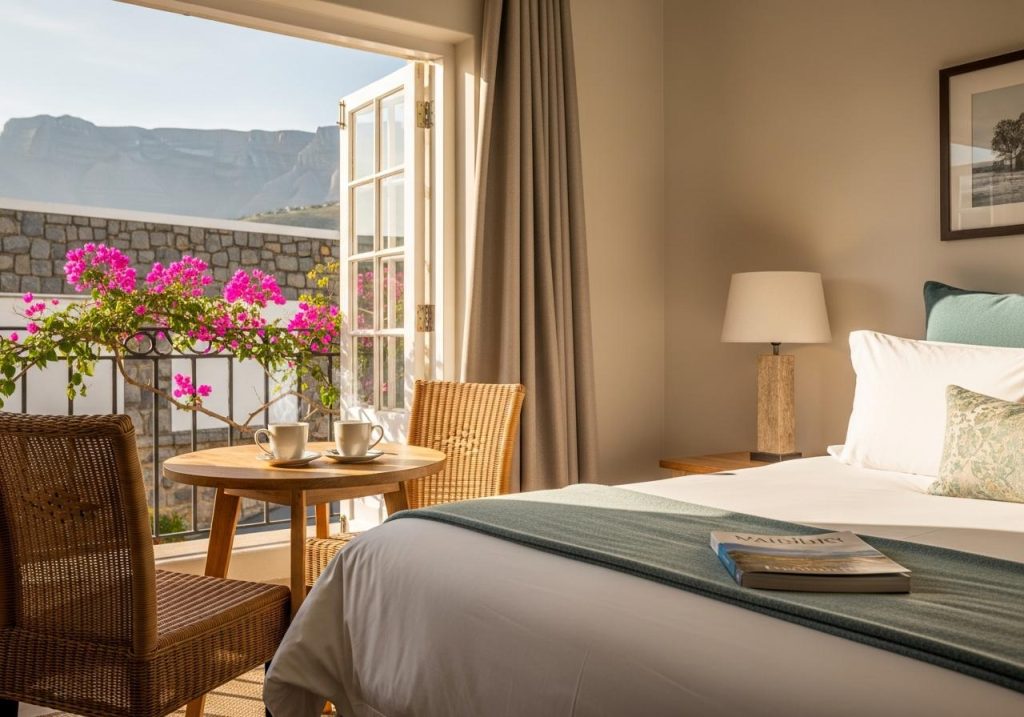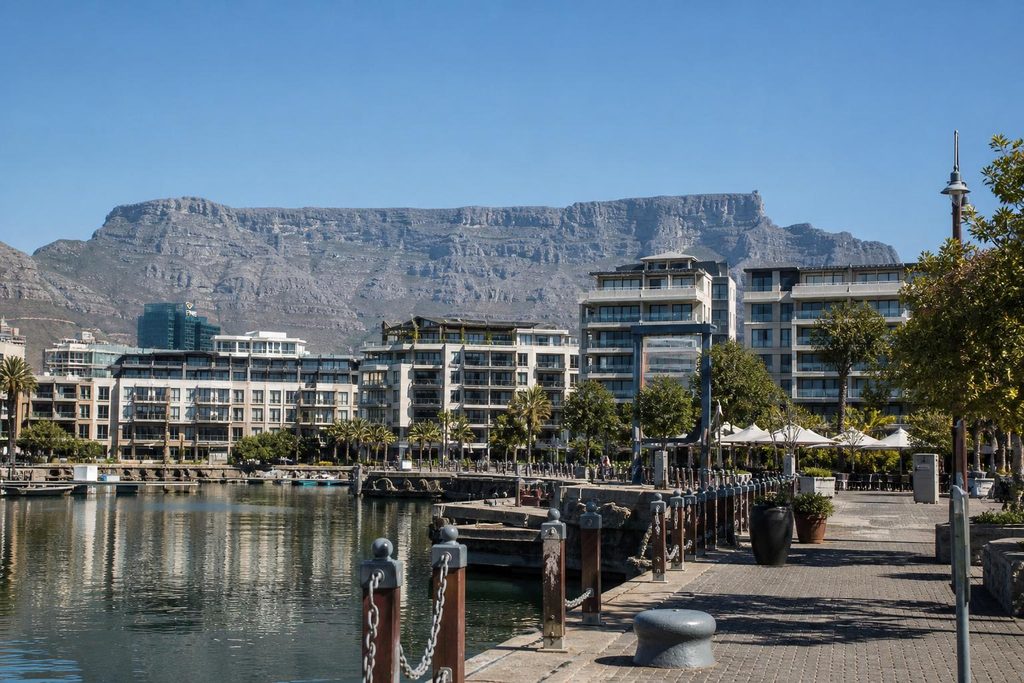
Foreshore is generally a very safe, well-monitored district in central Cape Town, especially for business travellers, convention visitors, and tourists who want quick access to the city centre and the harbour. Because it houses major corporate headquarters, the Cape Town International Convention Centre (CTICC), and modern residential towers, the precinct benefits from high-visibility security patrols and extensive surveillance. As with any urban centre, personal safety depends on maintaining sensible city habits, particularly after dark when business foot traffic subsides.
Security Measures and Local Safety in Foreshore
The safety of Foreshore is anchored by heavy municipal and private security investments. The precinct falls under the watchful operations of the Cape Town Central City Improvement District (CCID), which deploys dedicated public safety officers on foot and in patrol vehicles around the clock. If you are comparing neighbourhoods for an upcoming trip, viewing our Foreshore self-catering accommodation reveals that modern apartment developments here place security at the top of their priorities.
Several layered security measures protect residents and visitors across the district:
- Visible CCID safety ambassadors patrolling streets, pedestrian crossings, and public squares 24 hours a day
- Advanced municipal and private CCTV networks monitoring major intersections, including Heerengracht Street and Walter Sisulu Avenue
- Strict building access control, including biometric entry, manned concierge desks, and secure undercover parking in modern residential blocks
- Rapid response units supported by both local private security companies and the South African Police Service
Day Versus Night Safety
During working hours, Foreshore is active, energetic, and filled with office workers, event delegates, and municipal staff. Walking between the CTICC, nearby hotel cafes, and local coffee shops is straightforward and safe. After business hours and on weekends, the area empties out noticeably as commuters head home. While violent crime in Foreshore is rare, opportunistic petty theft can occur in quiet streets at night. When heading out for dinner on Bree Street or at the V&A Waterfront after sunset, hailing an Uber directly from your building lobby is the smartest choice.
Getting Around Foreshore and Nearby Attractions
Foreshore sits at the junction connecting the central business district, the harbour, and the Atlantic Seaboard. Getting around is convenient, provided you choose the right transport methods for the time of day.
Consider these practical transit guidelines when moving around the area:
- Use the MyCiTi bus network for daytime travel across Foreshore, the Civic Centre station, and onward to Camps Bay or Table View
- Choose the Roggebaai Canal water taxi or the pedestrian canal walkway for a scenic, secure route between Foreshore and the V&A Waterfront during daytime hours
- Avoid walking through poorly lit access roads near the harbour freight lines or train station precinct after dark
- Always request e-hailing vehicles to pick you up and drop you off directly inside building forecourts or well-lit reception bays
Proximity to Medical and Emergency Services
Another reassuring feature of staying in Foreshore is the immediate access to top-tier emergency infrastructure. The Netcare Christiaan Barnard Memorial Hospital is situated right on DF Malan Street in Foreshore. This world-class medical facility offers 24-hour emergency medical care, intensive care units, and a broad range of specialist services, making the neighbourhood practical for health-conscious travellers and medical tourists.
Practical Safety Guidelines for Staying in Foreshore
Staying safe in Foreshore comes down to situational awareness rather than fear. Cape Town is a welcoming destination, but like major metropolitan hubs across the globe, it rewards visitors who follow standard street smarts.
Follow these essential habits during your stay:
- Keep mobile phones, cameras, and expensive jewellery out of view while walking along public streets
- Use automated teller machines located inside bank branches, shopping centres, or hospital lobbies rather than standalone street ATMs
- Ensure rental vehicles have no visible bags, jackets, or electronic cords left on seats when parked
- Confirm that your accommodation features generator or inverter backup power to maintain security gates and lighting during municipal load-shedding cycles
Secure Stays in Foreshore With Cape Town Holiday Apartments
Choosing the right base makes all the difference when visiting the Mother City. Cape Town Holiday Apartments offers premium, hand-picked properties in Foreshore and surrounding central suburbs, featuring 24-hour security desks, secure parking, and modern amenities designed for independent travellers and corporate visitors alike. Click the button below to secure your luxury accommodation in one of Cape Town most connected districts.
FAQs
Can you walk from Foreshore to the V&A Waterfront?
Yes, you can walk between Foreshore and the V&A Waterfront during daylight hours. The safest and most enjoyable route is via the Roggebaai Canal walkway, which leads straight past the CTICC to the marina. After dark, it is advisable to take a short Uber ride instead of walking.
Is Foreshore safe for solo travellers?
Foreshore is a sensible choice for solo travellers, particularly those visiting for conferences or work. The strong CCID presence, secure apartment blocks, and easy access to ride-hailing services provide a solid safety network. Solo visitors should avoid walking alone late at night on deserted commercial streets.
What is the CCID and how does it protect Foreshore?
The Cape Town Central City Improvement District (CCID) is a non-profit organisation funded by local property owners. It provides top-up safety, cleaning, and social services throughout the city centre and Foreshore, deploying foot-patrol officers who assist the public and deter criminal activity.
Is Foreshore safe during power outages or load-shedding?
Foreshore is home to major commercial buildings and the Christiaan Barnard Hospital, meaning much of its infrastructure has robust emergency power. Most upscale residential buildings in the area feature automated generators or battery backup systems that keep security cameras, perimeter gates, lifts, and common area lighting operational during outages.